End-of-Line (EOL) Testing Systems & Validation Solutions
Production-line functional test systems that catch defects before they leave the factory — built for CAN, CAN FD, LIN, Ethernet and Modbus/RS232-485 environments.
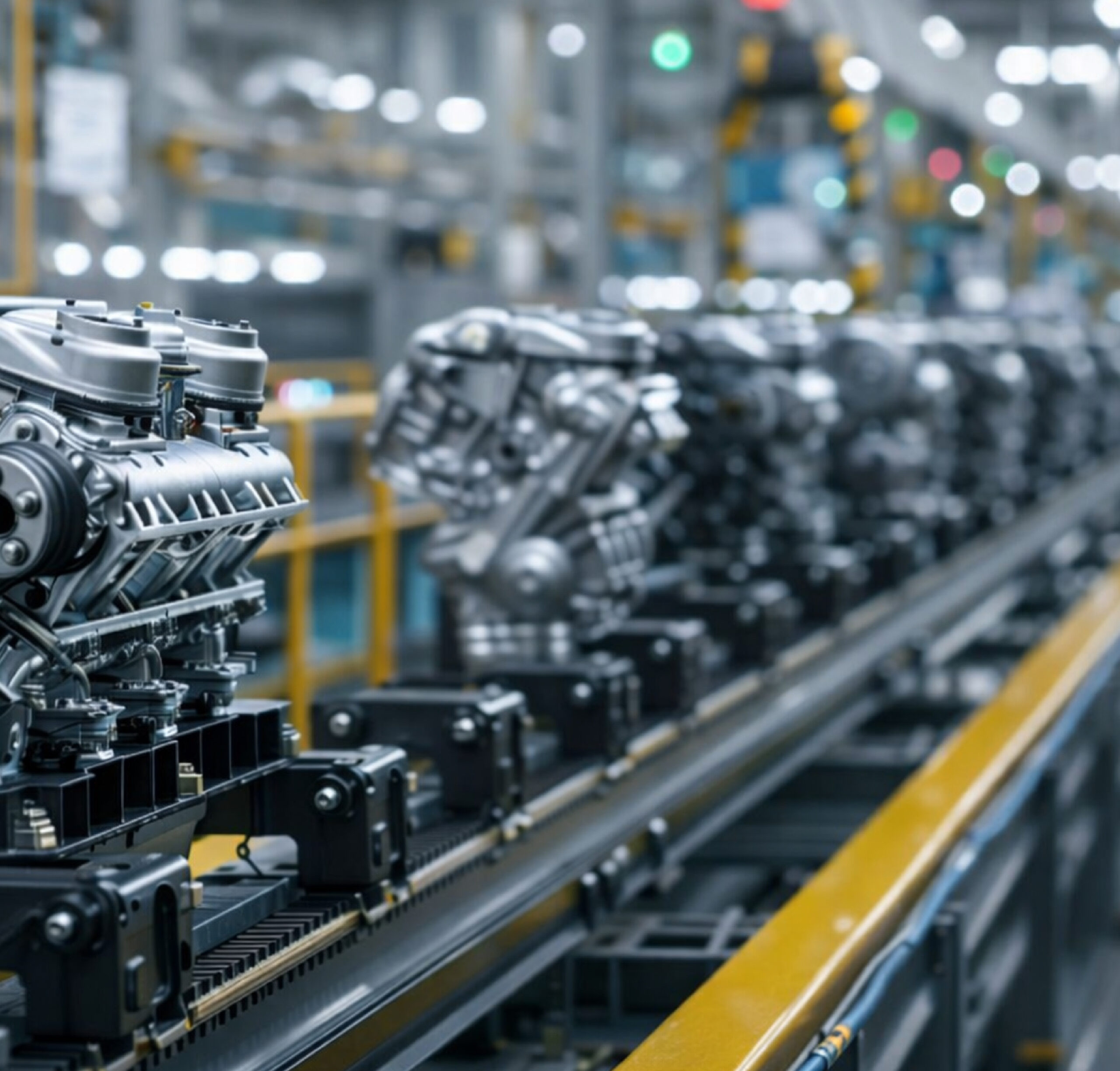
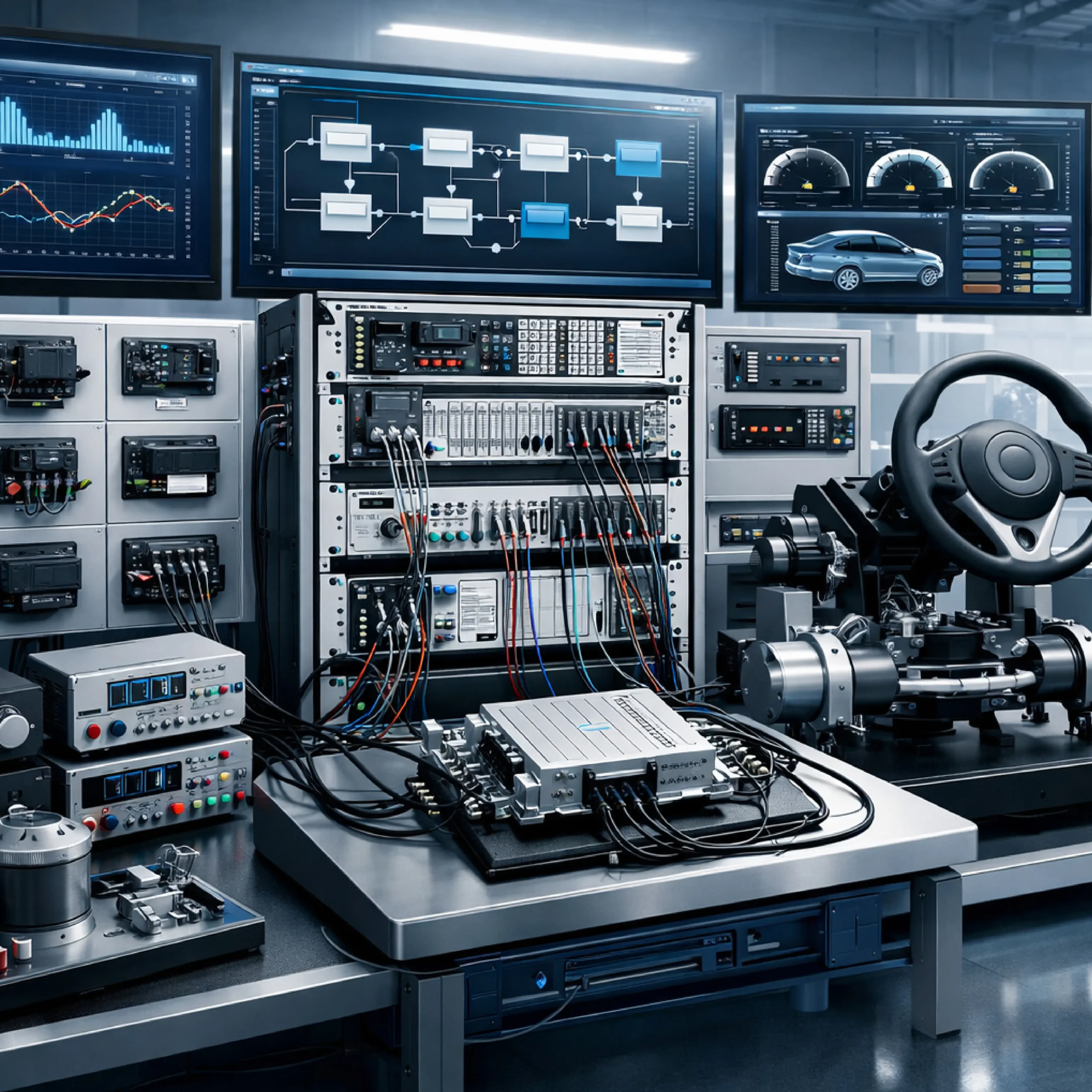
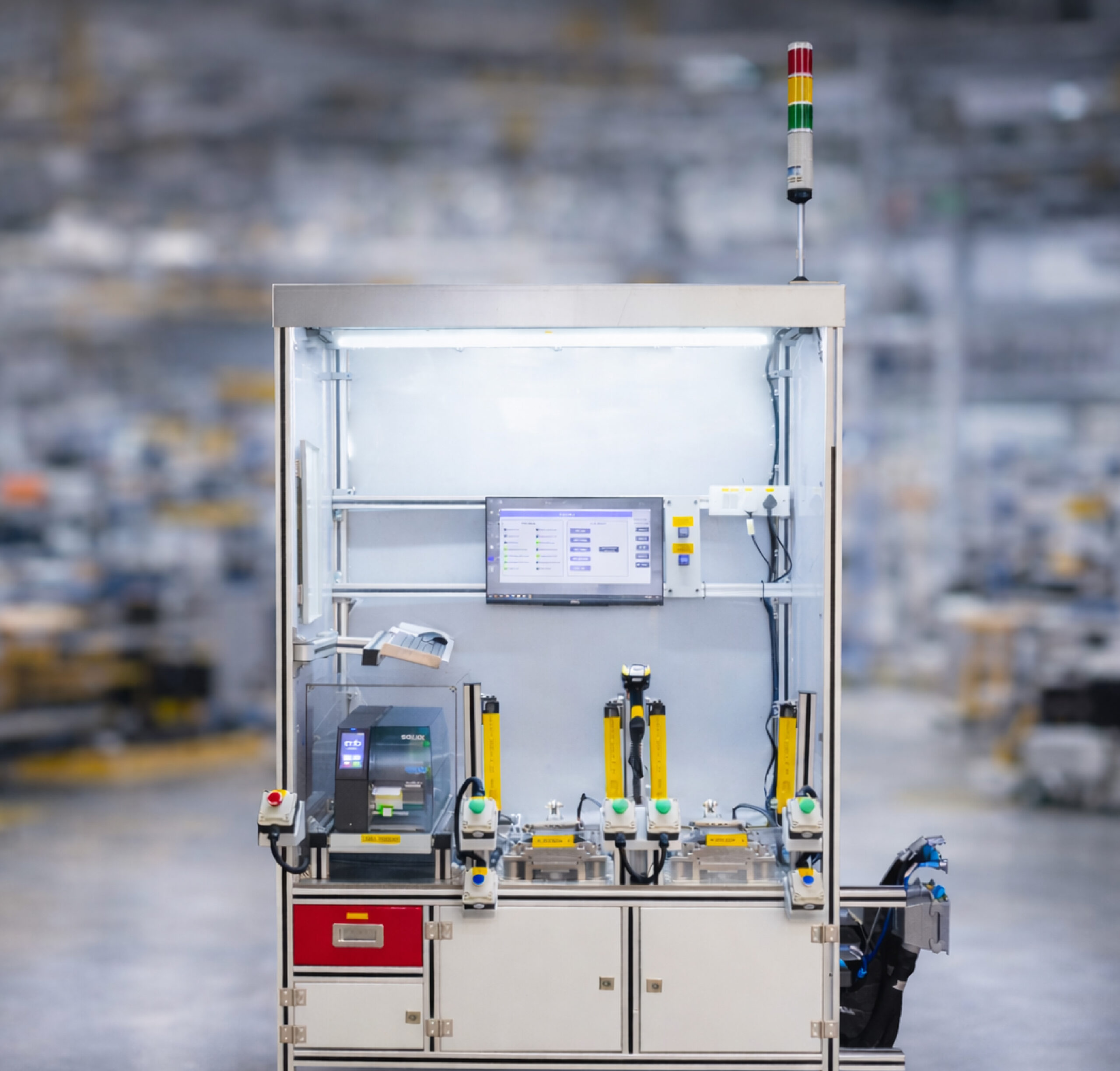
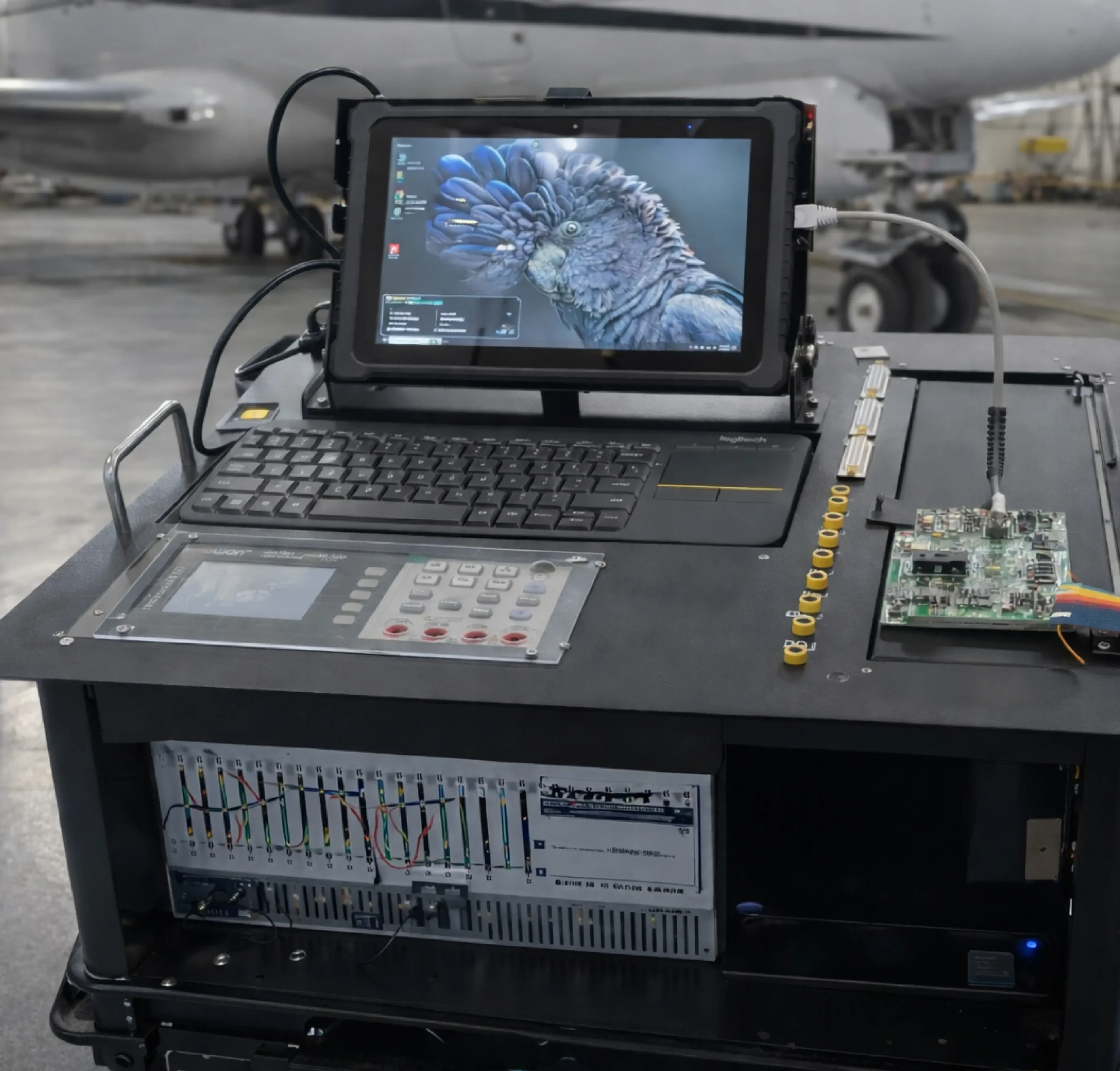
End-of-Line (EOL) testing is the final functional check a product undergoes on the production line before it ships — validating that the specific unit built, not just the design, meets specification. Where design validation proves a product works in principle, EOL testing proves that this exact unit, with its specific components and assembly, works correctly before a customer ever receives it.
It’s the last checkpoint between the production line and the outside world, run on every unit — or a defined sampling rate — rather than on a handful of prototypes. TMCS builds EOL systems around the communication protocols and interfaces the product actually uses in the field — CAN, CAN FD, LIN, Ethernet, Modbus, RS232/RS485 — so the test system talks to the product the same way its real operating environment will.
Why Manufacturers Use EOL Testing
Confirms the exact unit built, not just the design, meets spec
Catches assembly and component-level defects before they reach the customer
Runs on every unit — or a defined sampling rate — at production speed
Tests over the product’s real protocols: CAN, LIN, Ethernet, Modbus, RS232/RS485
Creates a traceable pass/fail record for warranty and quality investigations
Trust & credibility
Trusted by manufacturers focused on quality & production excellence
TMCS helps manufacturers automate production testing and improve quality assurance across Automotive, EV, Aerospace, Defence, Electronics, Appliances, Industrial Automation, and Power Electronics industries.
NI Certified System Integrator
End-to-end EOL test system development
Production line automation expertise
Custom test fixture design
MES & ERP integration support
Barcode & traceability solutions
Scalable manufacturing platforms
Long-term AMC & support services
Why EOL testing matters
Prevent defects before products reach customers
Manufacturing teams face increasing pressure to improve quality while reducing production costs and cycle times. These challenges can impact customer satisfaction, profitability, and brand reputation.
Aspect
No EOL Testing (or Manual Spot-Checks)
Automated EOL Test System
Coverage
Only a sample of units is checked, or checks rely on operator judgment
Every unit (or a defined, consistent sampling rate) runs the identical functional test
Defect detection
Assembly or component-level faults can reach the customer undetected
Functional faults are caught on the line, before the unit ships
Data record
Little or no record of what was actually tested on each unit
Every result is logged per unit, creating a traceable pass/fail history
Protocol accuracy
Manual checks often can't fully exercise CAN, LIN, Ethernet or Modbus interfaces
Test system communicates over the product's actual protocols, replicating real operating conditions
Warranty/field-return cost
Field failures are diagnosed after the fact, often without test data to reference
Root-cause analysis is faster because the unit's own EOL test data already exists
Scalability
Doesn't scale cleanly with production volume
Runs at line speed, scaling with throughput rather than headcount
Common challenges
Manual inspection errors
Inconsistent testing procedures
Inconsistent results
Product failures in the field
High warranty costs
Delayed defect detection
Production bottlenecks
Incomplete test records
Benefits of automated testing
Improved product quality
Reduced field failures
Faster production throughput
Complete traceability
Reduced human error
Automated reporting
Regulatory compliance
Lower warranty costs
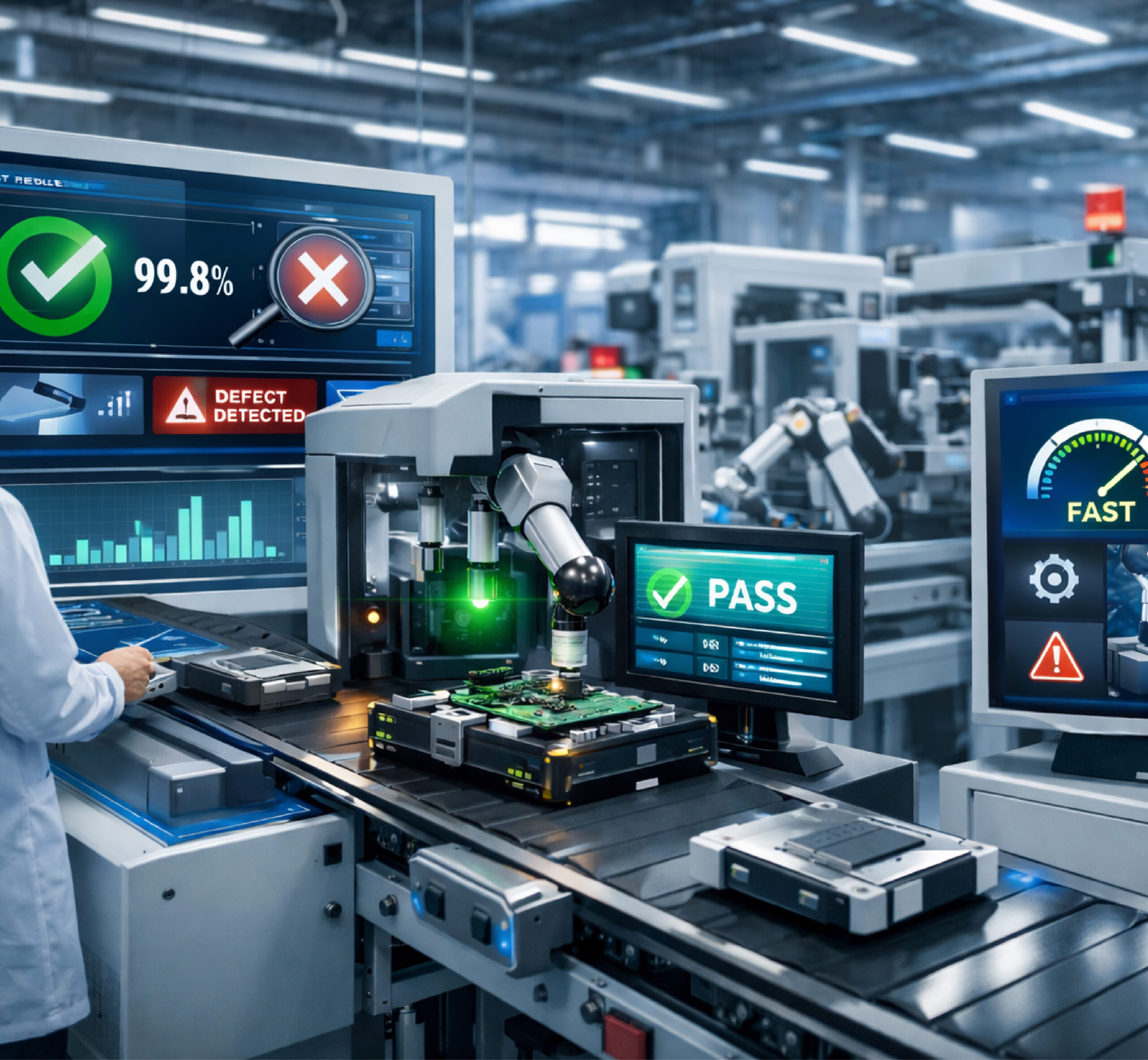
Automated End-of-Line testing verifies every product against predefined quality standards before shipment. By automatically measuring, validating, recording, and reporting results, manufacturers gain confidence that only compliant products reach customers.
How EOL testing works
Validate every unit through a defined engineering process
TMCS delivers EOL systems through six sequential steps, from requirement definition to continuous production improvement.
01
Define pass/fail criteria
Functional requirements translated into explicit, measurable test limits
02
Test fixture & interface design
Reliable electrical and mechanical contact with the unit under test, at production speed
03
DAQ & protocol integration
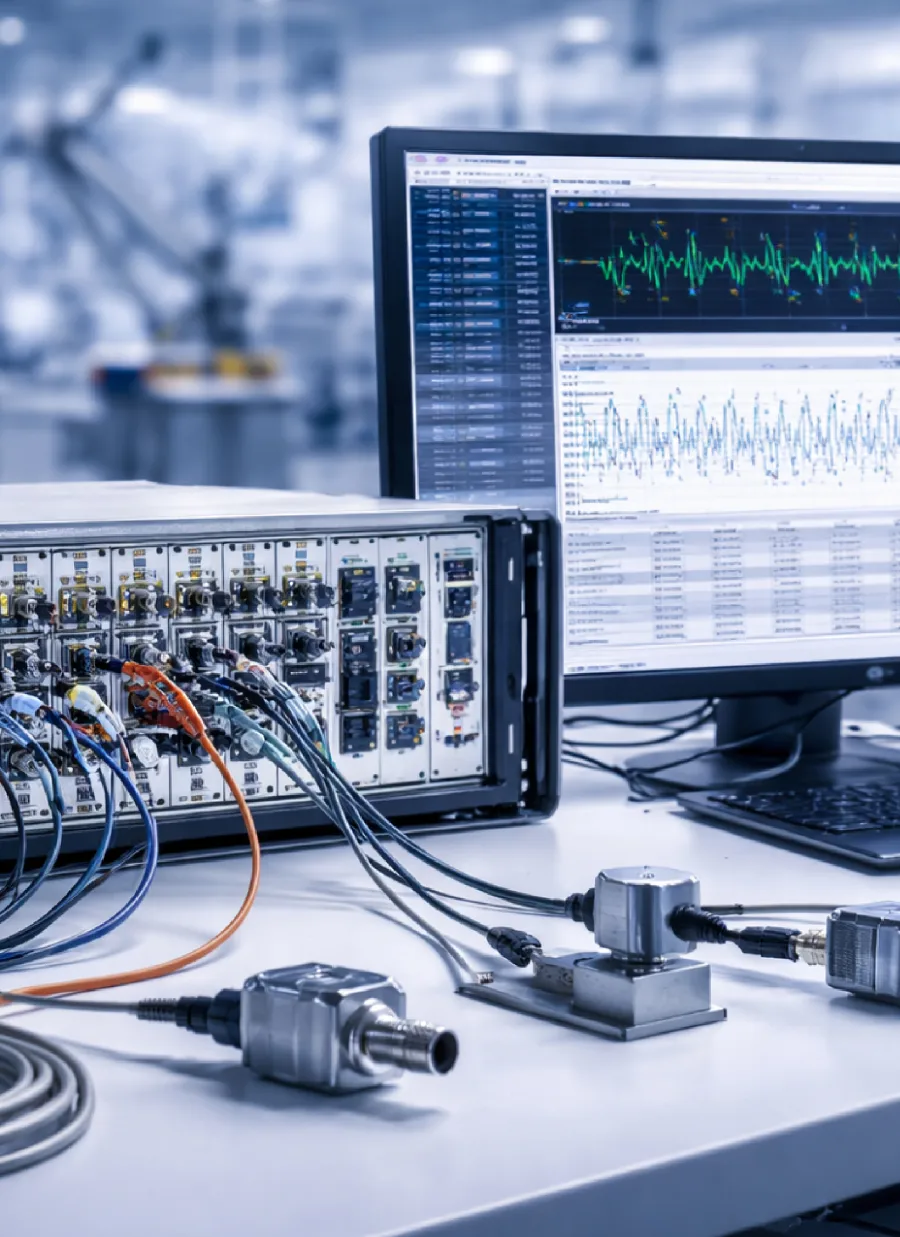
CAN, CAN FD, LIN, Ethernet, Modbus and RS232/RS485 integrated to stimulate and monitor the unit
04
Automated test sequencing
Stimulus, measurement and pass/fail logic automated in TestStand for every unit
05
Production line deployment
Commissioned directly into the existing production flow, not as a separate offline station
06
Data logging & trending
Every result logged and trended to catch process drift before it becomes a defect pattern
End-to-end capabilities
Trusted by manufacturers focused on quality & production excellence
Complete end-of-line testing system development
Functional testing
Product function verification
Logic testing
Controller validation
Input/output testing
Electrical testing
Voltage testing
Current measurement
Resistance testing
Insulation testing
Continuity testing
Communication testing
CAN
CAN FD
LIN
Ethernet
Modbus
RS232 / RS485
Traceability solutions
Barcode scanning
QR code verification
Serial number tracking
Manufacturing data storage
MES integration
Automated reporting
Pass/fail reports
Production dashboards
Statistical analysis
Quality reports
Audit documentation
Technology stack
Technologies behind our EOL systems
NI TestStand
Automated test sequence execution and report generation
NI LabVIEW
Custom operator interfaces and automation software
EOL testing is the final verification process performed before a product leaves the manufacturing line to ensure functionality, quality, and compliance.
What types of products can be tested?
Automotive components, EV systems, battery packs, PCBs, industrial controllers, electronic assemblies, appliances, and electromechanical products.
Can TMCS integrate EOL systems with MES or ERP software?
Yes. TMCS can integrate EOL test systems with MES, ERP, database, and traceability platforms.
Do you provide barcode and serial number traceability?
Yes. We develop complete traceability solutions including barcode scanning, QR code verification, serial number tracking, and production history logging.
Can TMCS develop custom EOL test benches?
Yes. Every EOL system is customized based on product specifications, production volume, testing requirements, and quality objectives.