
Hardware-in Loop(HIL) Testing- TMCS
Understand Benefits and Features of Hardware-in-the-Loop (HIL) Testing Key Benefits Of HIL Testing: Without spending the time and money on…
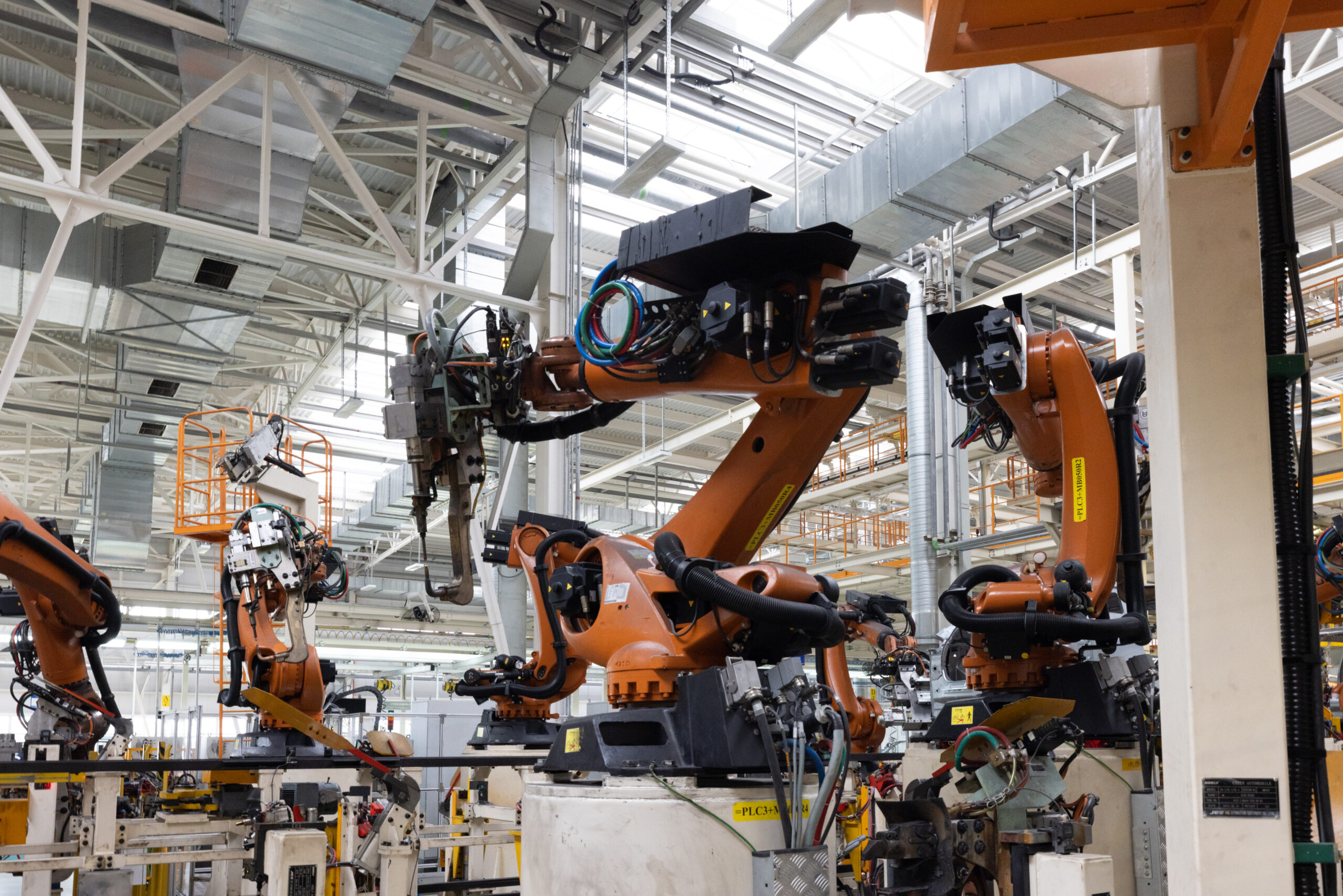
Hardware-in-the-loop (HIL) testing is the most advanced method in automotive engineering for testing control systems. It simulates real conditions in a lab. HIL testing is a connecting factor between software simulations and physical tests. It allows engineers to validate the complicated systems before actual testing
HIL testing integrates real automotive hardware components, like electronic control units (ECUs), with a simulation environment that mimics real-world operating conditions. Such a setup makes it possible for engineers to:
Automotive systems, especially in the case of autonomous vehicles and electric powertrains, need deep validation against safety hazards. HIL testing enables engineers to simulate and examine extreme conditions without putting anything at risk.
Building physical prototypes for every testing phase is an expensive endeavour. HIL testing diminishes these costs by helping to conduct virtual testing of vital systems before their real-life rollout.
HIL testing provides a cost-effective way to reduce defects in development thus saving time through its ability to develop a product more quickly and as a consequence facilitate the production process by debugging the whole process.
| Feature | HIL Testing | Traditional Testing |
| Testing Environment | Simulated | Physical |
| Cost | Lower | Higher (due to prototypes) |
| Speed | Faster | Slower |
| Safety | Higher | Lower |
When selecting an HIL system, consider:
Scalability: Ensure the system can handle growing test requirements by supporting synchronization across multiple modules and hardware platforms.
Modularity: A modular design allows for easy customization and expansion, adapting to specific testing needs without overhauling the entire system.
Reconfigurability: The system should be flexible enough to adapt to different test scenarios or products with minimal effort.
Accuracy: High precision and stable performance are essential for reliable and repeatable test results.
Aerospace, industrial automation, and robotics also rely on HIL testing.
No, but it significantly reduces the need for physical prototypes, saving time and cost.
Popular tools include LabVIEW NI TestStand NI VeriStand, and MathWorks Simulink.
Yes! It helps startups validate systems without investing heavily in prototypes.
Understand Benefits and Features of Hardware-in-the-Loop (HIL) Testing Key Benefits Of HIL Testing: Without spending the time and money on…
The Importance of HIL Testing in Automotive Validation What is Hardware-in-the-loop (HIL) Testing? Hardware-in-the-loop (HIL) testing is the most advanced…
Role of NI LabVIEW in Modern Data Acquisition Systems Data acquisition is an emerging platform in the advanced industrial and…
AR Bhat Bhavan, MCCIA Building, Tilak Road, Pune – 411002, Maharashtra, India.
Unit 1: Shed No. 4, Satyam Industrial Estate, Survey No. 25, Mahadev Nagar, Nanded Gaon, Singhagad Road, Pune – 411041
Toli Chowki, Hyderabad, Telangana, India – 500008
Phone +91 20 67636001
Email: sales@tmcs.in